
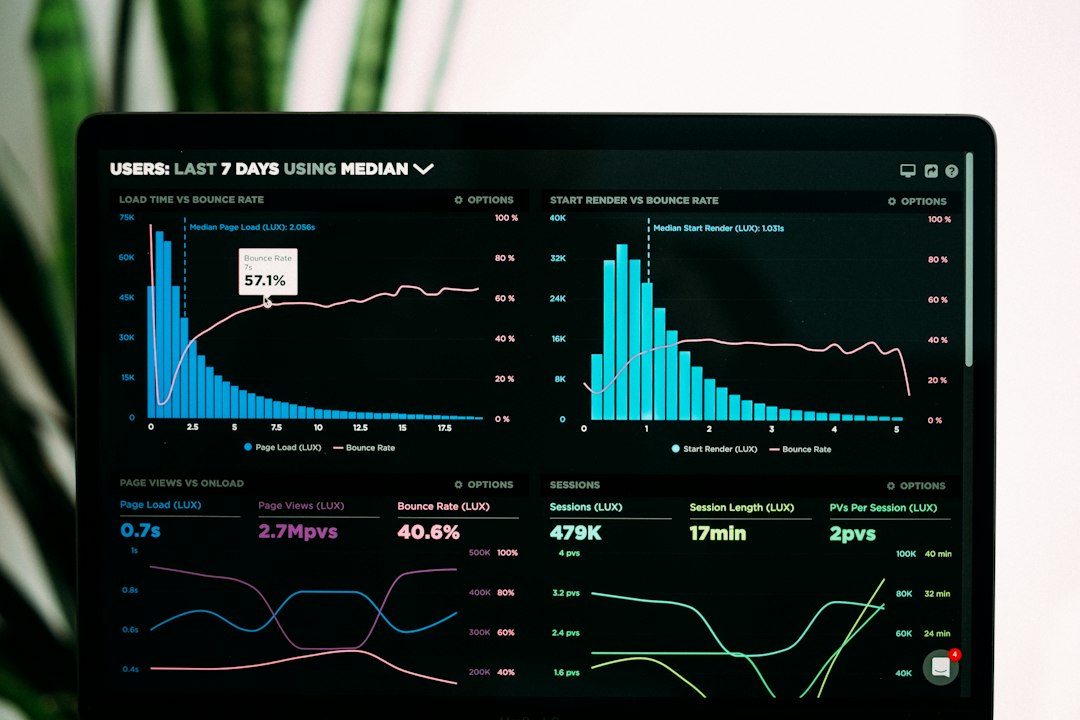
The foreign exchange market is built around continuous currency valuation, with prices changing as global financial activity moves between regions and trading sessions. forex tradingsphere brings the subject of currency-market participation into a digital environment where traders can access market information, analyse price behaviour, and manage positions through integrated technology. A statistical view of forex activity highlights factors such as trading sessions, spreads, volatility, leverage, and historical price data as important elements of market analysis.
In This Article
- What makes the forex market continuously active?
- How can spreads be understood statistically?
- What role does leverage play in forex?
- How does TradingSphere support currency-market observation?
- Why are trading sessions useful for analysis?
- How can technical statistics improve currency analysis?
- What makes digital accessibility valuable?
- Conclusion
What makes the forex market continuously active?
Unlike many financial markets that operate around specific exchange hours, foreign exchange activity moves through major financial centres around the world. This creates overlapping trading sessions and a near-continuous flow of price information during the business week.
For traders, this structure creates an extensive dataset. Currency prices can be examined across hourly, daily, weekly, and monthly periods, making it possible to compare movement patterns across different market sessions.
The changing activity levels throughout the day can also influence liquidity and volatility. Studying these variations provides useful context when reviewing historical price behaviour.
How can spreads be understood statistically?
The spread represents the difference between the bid and ask prices of a currency pair. It is a measurable component of the trading environment and can vary according to market conditions and instrument characteristics.
Comparing spreads across different currency pairs can provide useful information about their trading structure. More active pairs may display different spread characteristics from less frequently traded combinations.
Monitoring spread data alongside price movement gives traders an additional measurement when evaluating the efficiency of a particular market environment.
What role does leverage play in forex?
Leverage allows traders to control a larger market position using a smaller amount of available capital. It is therefore an important numerical component of forex account management.
The relationship between position size and available margin can be calculated precisely, making leverage suitable for structured financial planning. Traders can evaluate potential position exposure, margin requirements, and account utilisation before entering a trade.
A clear understanding of these figures can help create an organised approach to position sizing and capital management.
How does TradingSphere support currency-market observation?
TradingSphere provides access to a digital environment where forex instruments can be monitored through modern trading technology. Market prices, charts, technical indicators, and order-management functions can be accessed through the available trading infrastructure.
The MT5 environment supports multiple timeframes and analytical tools, allowing traders to examine currency movements from both short-term and longer-term perspectives.
This creates a central workspace for monitoring price information and organising market research.
Why are trading sessions useful for analysis?
Currency markets can display different levels of activity during Asian, European, and North American trading periods. The degree of participation can change as major financial centres open and close.
Session-based analysis can therefore provide another statistical layer. Traders can compare average price ranges, volatility, and trading activity across different periods to understand how currency pairs behave throughout the day.
Over time, historical session data can help establish a clearer picture of recurring market characteristics.
How can technical statistics improve currency analysis?
Technical analysis converts price history into measurable observations. Moving averages, momentum tools, oscillators, and volatility indicators can provide additional information about market direction and price behaviour.
Charts make it possible to compare these measurements directly with historical price movements. Traders can also use multiple timeframes to determine whether short-term changes align with broader market trends.
This combination of numerical indicators and visual analysis creates a more detailed research process.
What makes digital accessibility valuable?
Forex markets can move across different global sessions, making accessibility an important part of modern trading technology. TradingSphere’s MT5 environment supports desktop, web, and mobile access.
Desktop tools provide a detailed workspace for research, while web and mobile access offer additional flexibility for monitoring prices and account activity. This allows users to maintain awareness of market conditions across different devices.
Conclusion
Forex TradingSphere represents a technology-focused environment for studying and participating in currency markets. Trading sessions, spreads, leverage, volatility, price ranges, and technical indicators provide measurable dimensions for understanding foreign exchange activity. By combining these market statistics with accessible digital trading tools, TradingSphere creates a structured environment where currency data can be monitored, analysed, and incorporated into an organised trading workflow.
At a Glance
- The foreign exchange market is active continuously due to overlapping trading sessions across major financial centres worldwide.
- The spread in forex represents the difference between the bid and ask prices of a currency pair and can vary based on market conditions.
- Leverage in forex allows traders to control larger positions with less capital, which is crucial for structured financial planning.
- TradingSphere offers a digital environment equipped with advanced trading technology, enabling access to market prices, charts, and technical indicators.
- Session-based analysis of currency markets reflects varying activity levels during the Asian, European, and North American trading periods.
- Technical analysis in forex makes use of historical price data and indicators to enhance understanding of market direction and behavior.
About the Author
