
When I settle in to play an online slot, the feature that really gets my pulse racing is a well-timed multiplier. It’s the difference between a modest line hit and a payout that makes you look twice. Across the UK, multiplier slots have become the top pick for players who want more than just spinning reels — they want every win to carry the possibility for exponential growth. I’ve spent countless hours testing these games, and what I’ve learned is that not all multiplier mechanics are built the same. Some attach multipliers to wild symbols, others trigger them during free spins, and a few, like the quirky crash-style game Chicken Road, build the entire experience around a climbing multiplier that can collapse at any moment. In this breakdown, I’ll walk you through exactly how multiplier slots work, what separates a decent one from a truly great one, and how you can approach them with a clear strategy rather than blind hope. Whether you’re chasing cascading wins or that single massive multiplier in a bonus round, understanding the underlying maths and design will change the way you play.
The Multiplier Slots Actually Are
A multiplier slot is any game where a win may be multiplied by a specific factor — 2x, 5x, 10x, or even higher — before it reaches your balance. The simplest form appears as a symbol on the reels: land a 3x multiplier alongside a winning combination, and that payout triples. But modern titles have extended the concept much further. I’ve seen games where multipliers grow with every consecutive cascade, games that lock a rising multiplier during free spins, and games that let you purchase a bonus round with a guaranteed multiplier. The key thing to realize is that a multiplier doesn’t create a win; it enhances one that already exists. So the base game still has to deliver regular line hits or scatter pays for the multiplier to matter. In the UK, you’ll encounter multiplier slots from nearly every major provider, from Pragmatic Play’s “Gates of Olympus” to the more unconventional Chicken Road, where the entire gameplay loop is a single multiplier climbing until it crashes. That variety means you can pick a volatility level and feature set that matches your patience and bankroll. I always recommend checking the paytable first — it tells you exactly where and how multipliers appear, so you’re never caught off guard.
How Multipliers Operate alongside Reels, Paylines, and Ways to Win
Multiplier slots don’t discard traditional slot architecture; they layer multipliers on top of it. Most employ a standard grid — often 5 reels with 3 rows — and either fixed paylines or a ways-to-win system. In a payline setup, a multiplier symbol that appears on a winning line will increase that specific line’s payout. With ways-to-win engines, such as Megaways, multipliers often come from a separate mechanic: a cascading reels feature where each successive win increases a multiplier meter. I’ve observed that games with cascading wins tend to seem more dynamic because the multiplier resets only when you cease winning, creating chains of escalating payouts. Some slots position multiplier wilds on the grid, so a single wild can substitute and multiply simultaneously. Others employ scatter-triggered bonus rounds where a multiplier is used to the total win of the free spins. A good example is the popular “Money Train” series, where persistent multiplier symbols combine in a hold-and-win bonus. While Chicken Road isn’t a slot in the traditional sense — there are no reels or paylines — it still offers a valuable lesson about multiplier mechanics: the multiplier expands over time, and your payout is your stake multiplied by the number you cash out at. That same principle of timing and risk applies to all multiplier games, whether you’re spinning reels or watching a chicken cross a road. trusted source
How to Play Multiplier Slots Without Draining Your Balance
I approach every multiplier slot with a basic plan: establish a loss limit, select a bet size that permits at least 100 spins, and avoid chasing a bonus round that isn’t hitting. The mechanics are easy — you choose your stake, hit spin, and look for multiplier symbols or scatter triggers — but the psychology is more challenging. Multiplier slots can lull you into increasing your bet after a near-miss, particularly when you see a 50x multiplier land just off a winning line. I suggest starting at the minimum bet to understand the feature frequency. For a game like Chicken Road, the process is more straightforward: place your bet, watch the multiplier rise, and press cash out before it crashes. The same discipline is relevant — decide in advance what multiplier you’ll target, and adhere to it. Many UK players err of letting the multiplier climb too high out of greed, only to lose the entire stake. In slot-based multiplier games, the autoplay function can be helpful, but I prefer manual spins so I can react to the game’s rhythm. Always examine the game rules for any multiplier caps or special conditions, because some slots clear the multiplier between spins while others allow it to continue, which completely shifts the optimal strategy.

Wagering Options and Highest Possible Win
Multiplier-based slots serve a huge range of budgets. I’ve played games where the lowest stake is just £0.10, great for relaxed gaming, while high-stakes variants allow up to £100 or more per spin. The bet range has a direct impact on the top payout, which is typically shown as a multiplier of your bet. It’s typical to see maximum win limits of 5,000x, 10,000x, or even 20,000x in the highest-variance games. When I’m reviewing a game, I always calculate what that means in real money: a £1 spin with a 10,000x cap could in theory pay out £10,000, but the odds of achieving that are incredibly rare. Chicken Road operates on a comparable concept — you can wager as low as £0.10 or as much as £100, and the maximum multiplier can climb into the thousands, though the game typically displays a past maximum to give you a sense of what’s feasible. I’ve discovered that the most lucrative multiplier titles are those that balance a large top payout with a fair occurrence on minor multipliers. A game that periodically awards a 2x or 5x multiplier in the regular play sustains your funds while you hold out for the big bonus. Before you commit real money, search for the maximum win details in the paytable. If it’s not explicitly shown, that’s a cause for concern — reputable UK-facing games always reveal this upfront.
Popular Multiplier Slots and Where Chicken Road Fits In
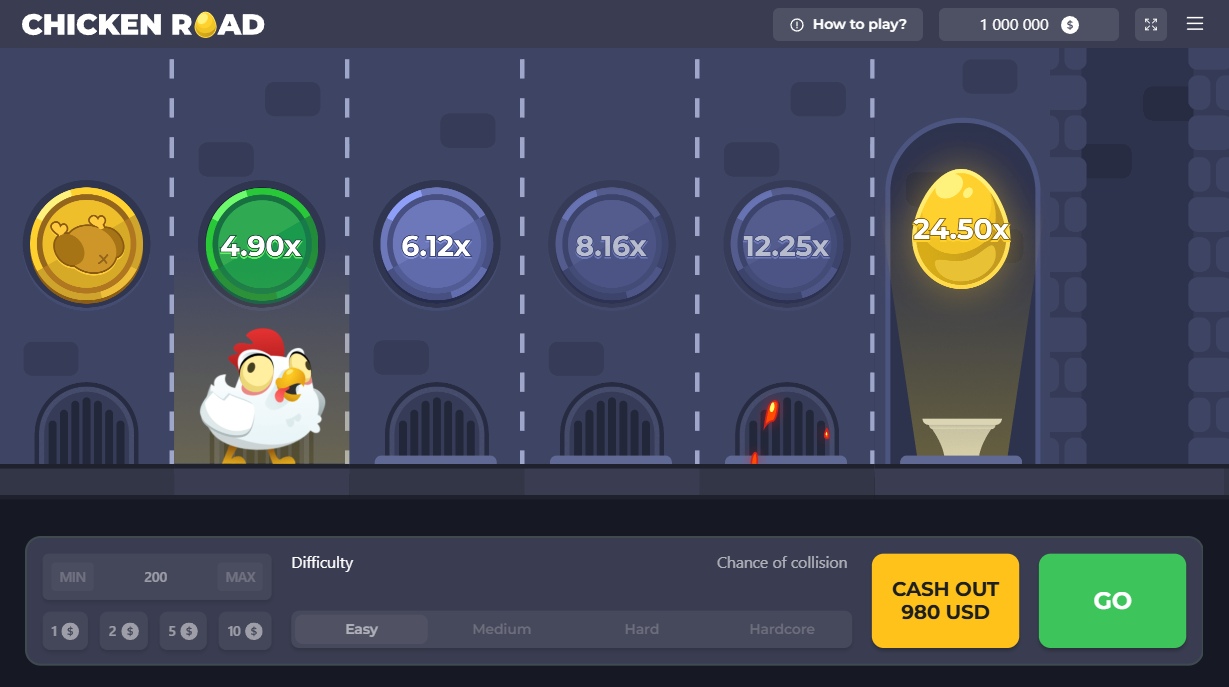
The market is packed with multiplier slots, but a few are notable for their innovation. Pragmatic Play’s “Gates of Olympus” uses a tumble feature with random multiplier symbols that can merge for staggering payouts. “Bonanza Megaways” from Big Time Gaming introduced unlimited multipliers during free spins, a mechanic that’s been copied dozens of times. “Dead or Alive 2” by NetEnt offers a high-noon free spins round where sticky wilds multiply wins up to 16x. Then there’s Chicken Road, a game that strips the slot format down to its multiplier core. Developed by Spribe, it’s a crash game where a chicken attempts to cross a multi-lane road, and the multiplier rises until the chicken meets an untimely end. There are no reels, no paylines, no wilds — just a single bet and a nerve-wracking decision of when to cash out. I incorporate it in this breakdown because it illustrates the raw appeal of multiplier mechanics without any slot-specific distractions. For UK players who like the tension of a climbing multiplier, Chicken Road offers a refreshing change of pace. When you jump between traditional multiplier slots and a game like this, you start to recognise the same risk-reward patterns, which can make you a more disciplined player across the board.
Bonus Features That Convert Multipliers into Game-Changers
Bonus spins, wilds, scatters, and special multiplier symbols constitute the foundation of any multiplier slot’s bonus arsenal. The most thrilling setups merge several of these elements. I’m particularly fond of games where a progressive multiplier increases with each free spin — start at 1x, and by the tenth spin you’re at 10x, with every win along the way enhanced. Scatters typically unlock these rounds, and landing additional scatters often reactivates the feature, which can push the multiplier into incredible territory. Wilds with associated multipliers are another favourite; a 2x or 3x wild that fills a whole reel can single-handedly rescue a losing session. Some slots introduce a collect mechanic, where multiplier symbols land with values that are accumulated to a totaliser, then used when a collect symbol appears. Chicken Road, while not a slot, demonstrates a pure take on this: the multiplier simply rises from 1x upwards, and you choose when to cash out. The omission of reels and paylines renders it a minimalist multiplier experience, but the same adrenaline principle remains. In traditional slots, I always search for the maximum multiplier potential — some games limit at 10x, others go beyond 500x in the bonus round. Understanding that ceiling assists you evaluate whether a game’s top payout is realistically achievable or just marketing fluff.
Payout percentage and Risk level: What the Numbers Truly Mean
Return to Player (RTP) and risk are the two figures I always check before loading a multiplier slot. RTP tells you the theoretical share of total wagers a game pays back over millions of spins. In the UK market, most multiplier slots fall between 94% and 97%, though some high-profile titles climb closer to 96.5%. Volatility, on the other hand, describes how those returns are allocated. High-volatility multiplier slots might experience long dry spells but can generate enormous wins when the multipliers trigger — think 5,000x or more. Low-volatility games offer smaller, more frequent multiplier boosts. I’ve found that multiplier slots tend to lean high-volatility because the feature naturally generates big swing potential. Chicken Road mirrors a similar pattern: its RTP is typically around 97% but can differ slightly depending on the operator, and the game is inherently risky because the multiplier can drop at any second. When I’m evaluating a game, I don’t just look at the headline RTP; I check whether the multiplier feature is present during the base game or locked a bonus buy. A game with a 96% RTP but regular base-game multipliers can appear more rewarding than a 97% game where multipliers only show up once every 200 spins. Always confirm the specific RTP for your session, as some UK casinos offer different configurations.
What to consider When Picking a Multiplier Slot
I always tell fellow players to focus on three things: the multiplier’s availability in the base game, the volatility rating, and the provider’s track record. A slot that kicks in only multipliers during a hard-to-trigger bonus round will play very differently from one where every spin has a shot of a 5x boost. Check the paytable for the multiplier symbol rules — some increase only line wins, others boost total bet, and a few extend to scatter pays. The volatility rating, often shown as lightning bolts or a scale of 1 to 5, gives you a rough idea of the dry spells you’ll face. I favor games that are clear about their maths. In the UK, all legitimate games are tested for fairness, but the published RTP and max win figures should be straightforward to find. When I played Chicken Road, I liked that the game shows recent big multipliers and crash points, providing you with a sense of the rhythm without suggesting you can predict it. The same principle goes for slots: a history of bonus triggers or a visible multiplier meter builds trust. In the end, the best multiplier slot is one that suits your temperament — if you detest long losing runs, pick a medium-volatility game with frequent small multipliers; if you’re chasing a life-changing win, go high-volatility and accept the ride.
Multiplier slots aren’t just about bigger numbers on the screen — they alter the entire rhythm of a session, transforming every spin into a moment of genuine anticipation. I’ve stepped away from games where a single 50x wild changed a £0.20 bet into £10, and I’ve observed a 1,000x multiplier vanish because I pushed my luck one second too long in Chicken Road. That’s the beauty and the risk of this mechanic. My counsel to any UK player is to view multiplier slots as a form of entertainment with a built-in volatility lesson: the higher the potential reward, the sharper the risk. Before you play, understand the game’s multiplier ceiling, its RTP, and exactly how the feature triggers. Then determine a cash-out target, whether it’s a 2x return or a 100x moonshot, and have the restraint to walk away when you achieve it. The complete breakdown of multiplier slots isn’t just about comprehending the features — it’s about recognizing yourself as a player. Once you’ve figured that out, every spin becomes a calculated thrill rather than a blind gamble.
About the Author