
Introduction
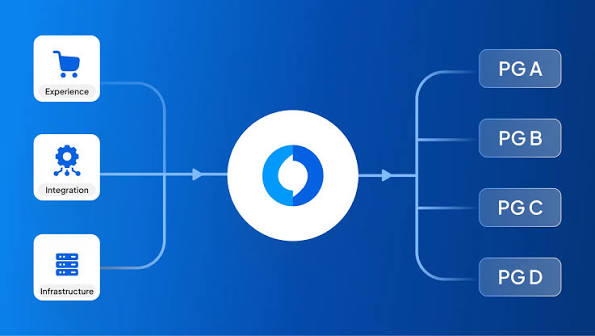
As businesses expand into new markets and offer more digital payment options, managing payment processes becomes increasingly complex. Companies often work with multiple payment providers, currencies, transaction methods, and regional payment requirements. Payment orchestration helps simplify this complexity by connecting different payment systems through a single platform.
However, implementing and managing a payment orchestration strategy comes with its own challenges. Businesses need to address technical, operational, and security-related issues to ensure their payment infrastructure works efficiently. Understanding these challenges and their solutions can help companies build a reliable and scalable payment system.
Challenges of Payment Orchestration
1. Complex Integration with Existing Payment Systems
One of the biggest challenges businesses faces is integrating payment orchestration platforms with their existing technology infrastructure. Companies may already use e commerce platforms, accounting software, customer management tools, and multiple payment providers.
A complicated integration process can lead to delays, technical issues, and disruptions in payment operations.
How businesses can overcome this challenge:
Choose API-friendly solutions:
Select payment orchestration platforms that provide flexible APIs and easy integration options.
Plan implementation carefully:
Create a clear integration road map to identify technical requirements before deployment.
Use expert support:
Working with experienced technology partners can reduce integration errors and improve implementation speed.
2. Managing Multiple Payment Providers
Payment orchestration allows businesses to connect with several payment service providers, but managing these relationships can become difficult. Each provider may have different transaction fees, settlement processes, reporting systems, and performance levels.
Without proper monitoring, businesses may struggle to identify which providers deliver the best results.
How businesses can overcome this challenge:
Use centralized management tools:
A unified dashboard can help businesses monitor all payment providers in one place.
Analyse provider performance:
Regularly review approval rates, processing costs, and transaction reliability.
Optimise payment routing:
Send transactions through the provider that offers the best performance for specific regions or payment types.
3. Ensuring Payment Security and Compliance
Handling customer payment information requires strong security measures. Businesses must protect sensitive financial data while complying with payment regulations across different regions.
Security risks can increase when companies manage multiple payment providers and payment methods.
How businesses can overcome this challenge:
Use secure payment technologies:
Implement solutions that support encryption, tokenisation, and fraud detection.
Maintain compliance standards:
Ensure payment processes meet relevant industry regulations and data protection requirements.
Monitor security regularly:
Conduct security reviews to identify potential vulnerabilities.
4. Reducing Failed Transactions
Payment failures can negatively impact customer experience and business revenue. Transactions may fail due to provider downtime, incorrect payment routing, technical errors, or regional payment limitations.
Even a small increase in failed payments can result in significant revenue losses for high-volume businesses.
How businesses can overcome this challenge:
Enable smart payment routing:
Use automated routing systems to direct transactions to the most reliable payment provider.
Set up backup payment options:
Multiple provider connections allow businesses to continue processing payments during disruptions.
Track payment performance:
Analyse failure patterns and adjust strategies to improve approval rates.
Conclusion
By choosing the right technology, monitoring payment performance, and continuously improving processes, businesses can overcome these challenges and create a payment infrastructure that supports long-term growth. A well-managed payment orchestration strategy allows companies to deliver smoother payment experiences while improving operational efficiency.
About the Author